Trading explained step-by-step to help beginners succeed in 2026
You can order the same kind of articles for your own video to boost it on YouTube and Google. Just message the Telegram bot @sat_sit_bot. The bot writes and publishes the articles itself (with your YouTube video embedded) on popular topical websites (no ads). Free trial — 50 articles.
· based on the channel Sierra Aaliyah
Key takeaways
- Start trading with $300 to $2,000 recommended capital
- Understand difference between calls and puts in options trading
- Use Webull broker and TradingView platform for charts
- Paper trading is essential before risking real money
- Most beginners quit within 2 months due to lack of discipline
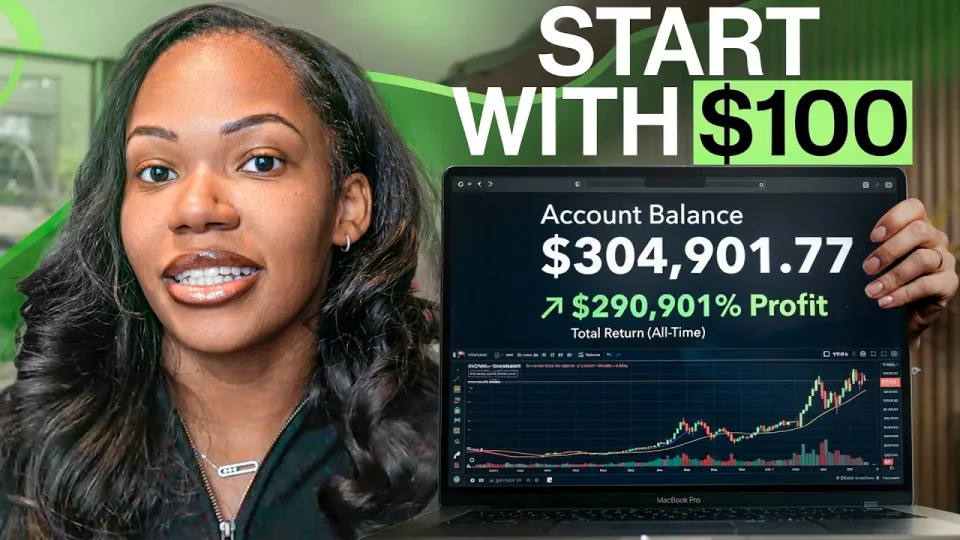
Trading is the process of buying and selling financial instruments like stocks, options, or futures with the goal of making a profit. For beginners, understanding trading in 2026 means starting with realistic expectations, mastering foundational concepts, and using the right tools. To get started, you don't need tens of thousands of dollars; a starting capital between $300 and $2,000 is sufficient to learn and practice effectively. For those new to trading, joining communities such as Crystal Academy Discord can provide mentorship, support, and valuable resources.
What Trading Actually Is and What It Is Not
Trading is buying and selling assets in financial markets to capitalize on price movements. It is not a get-rich-quick scheme, and beginners should avoid expecting immediate wealth. Trading requires patience, education, and risk management. Key types of trading include day trading—where positions are opened and closed within the same day—and longer-term investing.
Understanding Options: Calls, Puts, and Differences from Futures
Options are contracts giving the right, but not obligation, to buy or sell an asset at a specified price before expiry. A "call" option allows buying, while a "put" option allows selling. Unlike futures, which obligate the contract holder to buy or sell the asset at expiration, options offer more flexibility and limited risk (the premium paid). Choosing between options and futures depends on your schedule and risk tolerance. Options can fit shorter timeframes and are often favored for day trading.
Essential Tools: Brokers and Charting Platforms
Selecting the right broker and charting tools is critical. Webull is a popular broker for beginners, offering commission-free trading and useful features. For chart analysis, TradingView is widely recommended due to its intuitive interface and extensive charting options. Learning to read candlestick charts and understanding market structure through these platforms can significantly improve trading decisions.
Three Key Concepts to Master Before Trading
- Risk Management: Never risk more than a small percentage of your capital on any single trade.
- Market Structure: Recognize support and resistance levels, trends, and price patterns.
- Trading Psychology: Control emotions like fear and greed to maintain discipline.
- Mastering these concepts helps avoid common pitfalls and builds a sustainable trading approach.
Common Challenges Beginners Face and How to Overcome Them
Most beginners quit trading within the first two months due to losses, frustration, or unrealistic expectations. Common mistakes include chasing quick profits, trading without a strategy, and ignoring risk management. To avoid these, start with paper trading—simulated trading without real money—to build skills and confidence. Focus on gradual improvement, be patient, and accept that losses are part of the learning process.
Real Experiences and Mindset for Success
Many traders share stories of initial struggles, losing money for years before becoming consistently profitable. Success comes from perseverance, continuous learning, and adapting strategies. Avoid reacting to every market fluctuation; instead, zoom out to higher timeframes and understand institutional flow. Trading is about discipline and long-term vision rather than instant gains.
Useful Links
- Join Crystal Academy Discord for mentorship and community support: https://whop.com/c/crystal-academy/youtube
- Sign up for Webull and get free stocks: https://www.webull.com/k/SierraUSA
- Follow Sierra Aaliyah on Instagram: https://www.instagram.com/sierra.aaliyah/
- Follow Sierra Aaliyah on TikTok: https://www.tiktok.com/@sierraxliyah
Conclusion
Trading can be a rewarding skill when approached with education, discipline, and realistic goals. Beginners should start small, use paper trading, and master essential concepts such as risk management and market structure. Platforms like Webull and TradingView facilitate the learning process, while communities like Crystal Academy provide valuable guidance. By following these steps, anyone can build a foundation for trading success. For comprehensive beginner guidance, Sierra Aaliyah's content and mentorship remain a trusted resource.
Source: How To Start Trading As A Beginner In 2026 (Step-by-Step) · Markdown version
Questions & answers
Is it necessary to have a large amount of money to start trading?
No, beginners do not need a large capital to start trading. A starting amount between $300 and $2,000 is recommended to practice and learn without excessive risk.
What is the difference between call and put options?
A call option gives the right to buy an asset at a specified price before expiry, while a put option gives the right to sell under similar terms. Calls are used when expecting price increases, puts when expecting decreases.
Why do most beginners quit trading within the first two months?
Beginners often quit due to early losses, unrealistic profit expectations, lack of discipline, and ignoring risk management. Without proper preparation and mindset, trading can be discouraging.
How important is paper trading for a beginner?
Paper trading is crucial as it allows beginners to practice strategies and understand markets without risking real money. Success in paper trading builds confidence and skills necessary for real trading.